
Stop Suffering From Anxiety And Panic Attacks
Types of Anxiety and Panic Attacks
It is easy to tell if you suffer from anxiety or panic attacks, but there isn’t just one type of anxiety.
You might have anxiety from certain situations, or actually have a type of anxiety or panic disorder. Knowing which you have is important because it helps you to manage it better.
Take a look at these different types of anxiety disorders.
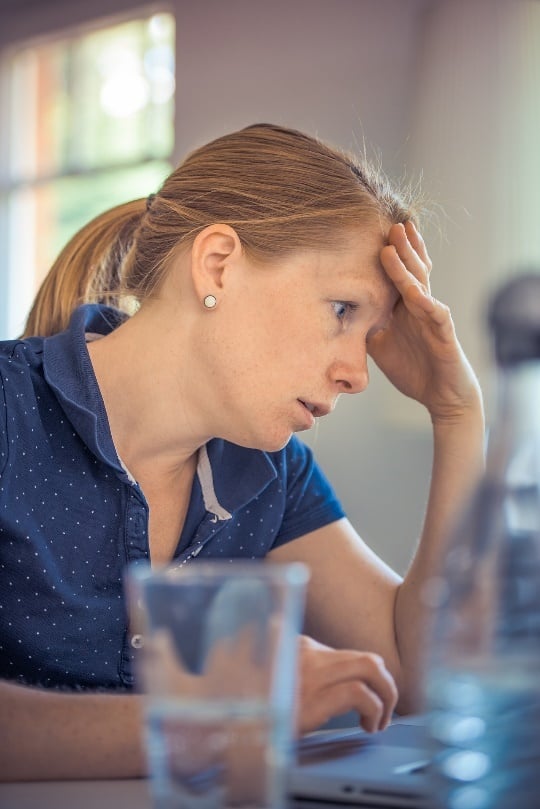
Generalized Anxiety Disorder
A very common anxiety disorder that many people don’t even realize they have is called generalized anxiety disorder (GAD). With GAD, you experience almost constant anxiety, though things or situations can trigger it and make it worse.
It is a state of general anxiety where it may not be severe, but you have problems with social interactions, fatigue, restlessness, irritation, lack of energy, and tense muscles.
This can lead to both mental and physical symptoms as a result of the anxiety disorder, but it also happens to be well treated.
Panic Attack Disorder
Panic attack disorder can be on its own or in combination with another anxiety or mental health condition.
Many people have both panic disorder and generalized anxiety disorder, which makes managing it difficult.
If you tend to get sudden feelings of panic where you feel the need to escape or like you are having a heart attack, then you might have panic attack disorder. With this disorder, you get panic attacks often, which may be triggered or come on suddenly.
Some symptoms of panic attacks include chest pain, sweating, nervousness, tunnel vision, heart palpitations, and feeling like you are choking or can’t breathe.
Social Phobia
If you feel fine when you are alone or with people you are comfortable with, but then suddenly experience worry, panic, or anxiety when around new people or crowds, you might have social phobia.
There are different types of social phobias, from being afraid of most people, not feeling comfortable around strangers, or just having phobias with larger groups of people.
Some people experience it mildly, while others have it so severely they avoid public situations altogether. If it is on the sever side, it is definitely something you should talk to your doctor about.
There are also anxiety disorders based on a specific type of phobia, such as agoraphobia where you are afraid to leave your home or claustrophobia where you have a fear of confined spaces.
These phobias can usually be treated with anti-anxiety medication and cognitive behavioral therapy.
Things to Avoid When You Have Anxiety
While you may have been born with your anxiety disorder, that doesn’t mean certain choices and lifestyle habits aren’t making ti worse.
The following list includes some things that can trigger your panic attacks or worsen your anxiety. Managing anxiety disorders is much easier when you can avoid these things.

Being Around Negative People
The people you choose to spend time with can make a bigger impact than you might imagine.
If you already struggle with anxiety, such as with generalized anxiety disorder, you are prone to panic and worry on a daily basis.
If you are spending a lot of time with pessimistic and negative people, their negativity can trigger your anxiety.
It makes it harder to be around them and every time they are upset or venting about something, it causes all of those panic symptoms. Try to surround yourself with positive people that uplift you.
Consuming Stimulants
Stimulants can also be bad for you if you are prone to anxiety and panic attacks.
Try to cut back on stimulants like caffeine, sugar, and alcohol.
These all will add to the amount of anxious feelings you have and can even lead to more frequent panic attacks. Start slow by gradually decreasing the amount of coffee you drink each day and trying to cut back on sugar.
With alcohol, the sooner you can quit or cut back, the better off you will be.
Talk to a doctor if you are struggling with quitting stimulants.
Not Paying Attention to Nutrition
Vitamins and minerals can also make anxiety better or worse.
When choosing what you will eat on a daily basis, don’t forget about proper nutritious.
Focus on foods that allow you to have plenty of vitamins and minerals through natural food sources.
Some of the nutrients that are good for natural anxiety are B vitamins, vitamin D, and vitamin C. You also want your share of omega-3 fatty acids, such as from whole grains and fish.
Living a Sedentary Lifestyle
It is also very helpful to get up and start moving around more often.
With regular exercises, you boost the serotonin levels in your brain and help to release your endorphins.
These happy chemicals increase your energy and happiness, and can also have a very positive impact on stress and anxiety.
With less stress, your anxiety tends to be less severe as well. You will be more energetic during the day, but also sleep better at night.
Natural Remedies For Anxiety
If you suffer from anxiety or panic attacks, you might want to look for treatments that don’t involve taking medication.
While you should still consider anxiety medication if your doctor suggested it, the following natural remedies can also be a huge help.
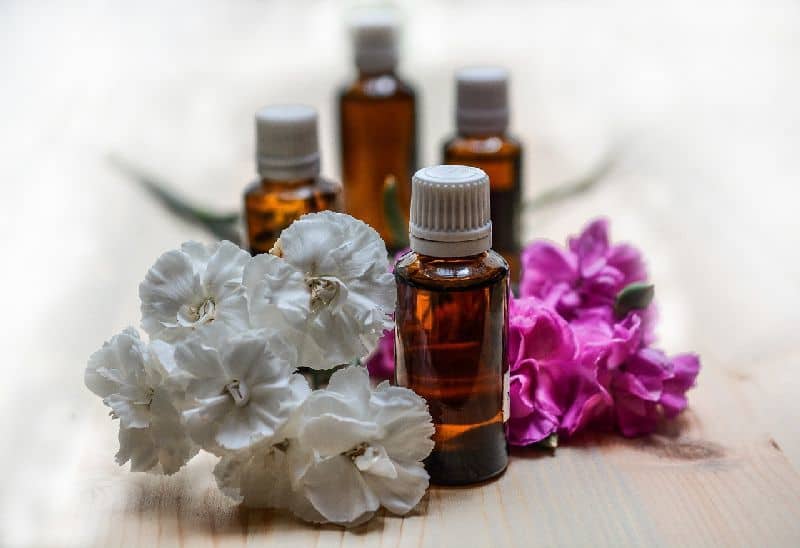
Essential Oils
One of the top ways to treat anxiety naturally is with essential oils.
Oils are extracted from flowers, herbs, and plants, and then used as a way to calm you down and keep away the panic and anxiety.
Certain essential oils are better for anxiety, creating a calm environment and reducing the amount of panic attacks you experience. Here are some essential iols to use for stress:
- Lavender
- Chamomile
- Frankincense
- Bergamot
- Vetiver
- Rose
You can add some drops toy our bath at night, use an essential oils diffuser, or even make tea with some of these oils.
Consume More Omega-3s
You probably already know that proper nutrition is essential to treating your anxiety naturally.
One of the more important nutrients to make sure you get each day is your omega-3 fatty acids.
Try to aim for 2-3 grams of omega-3s every day, as they will help you to lower stress chemicals, which can then reduce your anxiety and panic. You can take a supplement, but it is better to get nutrients from natural food sources.
For omega-3 fatty acids, this means fish like salmon and tuna, as well as whole grains, flax seeds, and walnuts.
Get More Vitamin D
Another nutrient you need to treat your anxiety naturally is vitamin D, but you don’t have to take a supplement or even eat a lot of foods with this vitamin.
The best way to get more vitamin D is actually through sunlight.
Try heading outside for 15-20 minutes a day to soak in that vitamin D, and you will start feeling a lot better.
It will not only help with your anxiety, but improve your overall happiness and can even make you feel more energetic. There are a lot of ways to fit in some extra sunlight, whether you take your lunch break outdoors or you go for a walk in the afternoon before the sun goes down.
Start Exercising
An excellent way to combine sunlight and exercising is to go for a walk outside, go hiking, or find another outdoor activity.
Even if you don’t want to exercise outside, getting more physical activity is great for anxiety.
You get your blood pumping, distract your mind, and can de-stress as well.