
Simple steps to effectively handle anxiety
Living With your Anxiety

Stop Avoiding Your Anxiety
This can be one of the hardest parts of dealing with anxiety, but you really need to learn how to stop avoiding the anxiety.
It can be tempting to pretend it doesn’t exist and just push all those thoughts and fears down, but they are going to come back up, and often in worse ways than if you dealt with it.
Why Avoidance is Hurting You
If you suffer from anxiety, you are more than familiar with avoidance. This is when you start avoiding people or situations that make your anxiety worse. While it can seem like you are just protecting yourself, you might be self-sabotaging instead.
The more you avoid due to the anxious feelings you get, the more you get comfortable with this habit.
You start becoming more isolated, which can actually make your anxiety worse, not better. While you don’t have to get into terrifying situations, there is a balance between avoidance and acceptance, but continuing to step out of your comfort zone.
What to do Instead
Avoidance can be a hard habit to break, but soon you will understand what it’s like to feel your anxiety, and still move forward with your life.
You can start small by slowly getting out of your comfort zone. Take one situation that you tend to avoid, but one of the more minor ones.
Say for example, when you get coffee in the morning, you always use the drive-thru because it causes less worry than if you go inside surrounded by people.
Choose one morning when it is less crowded and go inside to get your coffee.
Get used to less people, then slowly start going inside more often to become accustomed to being around people instead of constantly avoiding it with the drive-thru.
This small change over time becomes something you get used to, where your anxiety isn’t gone, but you are more accepting of it.
Learning to Accept Your Anxiety
Accepting your anxiety does not mean that you are avoiding it or even that you are curing it.
You want to get to a point where you understand and acknowledge that it is a part of you and who you are.
You will continue working toward reducing your anxiety, but you also understand that it will never be gone completely.
Instead, you accept your anxious thoughts, and try to move beyond them where they no longer have the same control over you.
Be Mindful and Learn Acceptance

If you are currently dealing with anxiety, whether it is generalized anxiety disorder, panic disorder, or another form of anxiety, it will get to a point where you can no longer just push it aside.
You need to learn how to accept your anxiety and cope with it, which can be done through mindful thinking.
What Does it Mean to Be Mindful?
When you are mindful, you are in a state of accepting your current state, including thoughts, fears, and worries often associated with anxiety.
Instead of letting them consume you, you first acknowledge these thoughts for what they are, accept them, and allow your mindset to shift to more realistic expectations. It does take some practice, but in time you will learn how to accept your anxiety and not let it rule your life.
Tips for Getting Started
All you need to get started with mindfulness is to switch your mindset.
Start small by picking just one time during the day when you can be mindful. Do some mindful meditation where you sit quietly with your eyes closed. Take some deep breaths to focus your energy, then just analyze the thoughts you have.
Let any concerns or worries come into your mind, but instead of trying to avoid them, embrace those thoughts.
Accept the thoughts, but don’t analyze what might happen in the future or become overwhelmed with regret over what has happened in the past.
Mindfulness is all about embracing your present state, and learning to accept it.
Reaching a Place of Acceptance
Acceptance is not easy, and it often confuses people.
This doesn’t mean you are simply giving up on trying to get better, but instead acknowledging where you are in your life right now.
Being mindful is really important to stop dwelling on the past or being fearful of the future, but just understanding what you are going through right now. And understanding that it is not going to last forever.
Continuing to Be Mindful Every Day
If you struggle with mindfulness n the beginning, try using a journal.
Write down your most important thoughts or fears right now, read them back to yourself, then promise to move forward from them.
This is a really simple practice that will help you be more mindful of how you think and feel at any given time, without letting it control you.
Remember that like meditation, mindfulness takes practice. Your mindset will shift over time the more you do it.
Analyze Your Thoughts and Fears with a Journal
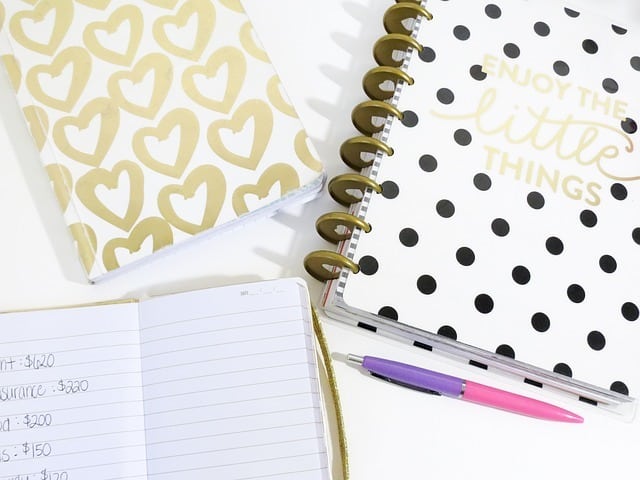
One of the biggest side effects of having anxiety is dealing with a lot of overwhelming thoughts of panic, fear, and worry.
In some cases, these are completely rational, but more often than not, your mind is making a big deal out of things that might not be entirely realistic.
This post is going to help you understand the difference between rational and irrational thoughts and fears with the help of a journal.
Rationalizing Your Fears from Reality
The main problem with where your mind takes you with anxiety is that many of your thoughts are irrational.
It can seem completely realistic to you, but you are often taking bits and pieces of information, mingling them with your biggest worries and fears, then creating your own narrative.
This is not only damaging to your own mental health, but when it involves other people, it can become very toxic to them as well.
What you want to do is take all your fears and rationalize them. Find out if they come from a place of reality, or if they might be a little irrational because of your anxiety.
Writing Everything Down
The easiest way to start analyzing your fears and understanding if they come from a realistic place is to write them in your journal.
Journaling is a wonderful tool that is easy to do and very inexpensive. You might not realize how beneficial it can be until you sit down and start doing it.
All you have to do is write in your journal every day.
Write down anything you want, from what you are thinking about, to your worries or fears. Through the act of writing, you will likely have a better understanding of irrational versus rational fears.
Write down what you are worried about, then ask yourself why you are worried about it.
Is it from a past experience? Something that could actually happen? Or is your mind creating something with no rational thought behind it?
Other Ways to Use Your Journal
Journaling is not just good for this purpose, but for anyone with anxiety.
You can use it to write down any triggers you notice with anxiety or panic attacks, use it as a daily diary, or just have a good distraction when you need it most.
Try to write in your journal for at least a few minutes a day to get the full range of benefits from it.
Create a Daily Self-Care Routine
When you are struggling with anxiety, it is not something that happens to you every once in a while in most cases.
The majority of people deal with anxiety on a regular basis, often at least once a day.
Instead of letting it consume you, learn how to cope with your anxiety by creating a self-care routine.
Why Self-Care?
Self-care might seem like a trend, but it is much more than that.
Yes, it has increased in popularity recently, but the core of self-care is about doing things for yourself that will make you a healthier, happier, and more balanced person.
For anxiety, self-care helps tremendously.
It is going to help reduce your stress, which ultimately helps with anxiety as well.
You also learn tips and tricks for coping with your anxiety based on how you adjust your daily self-care routine, whether that means reducing anxiety triggers or finding healthy distractions when you tend to have heightened anxiety or panic.
What to Include in the Routine
Like most things, what works in one person’s daily self-care routine might not work for you. However, here are some ideas of what can be helpful:
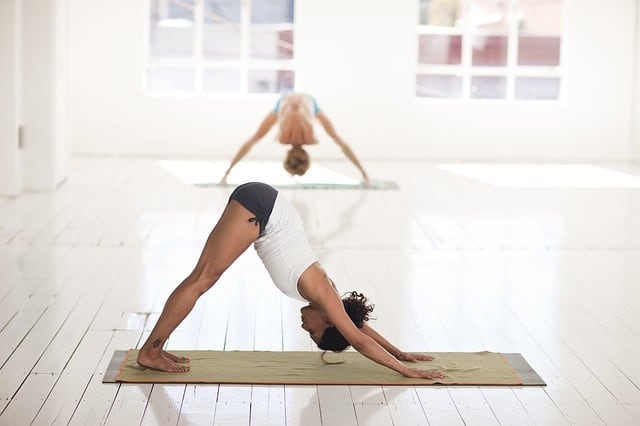
Try yoga in the morning – Yoga is wonderful for everyone with anxiety or stress. It is relaxing and teaches you how to practice your breathing exercises.
Switch to a healthy breakfast – Taking good care of your body will also help you to take care of your mind. Everything is connected, so start your day right with a healthy and nutritious breakfast.
Write in your journal daily – Writing in a journal provides a long list of benefits when you have anxiety. You can write out any thoughts or fears you have, and actually get to the core of why you feel this way.
Use a daily planner – Planners allow you to reduce some stress and anxiety over the fear of missing out, or feeling like you are always forgetting to do something. Many people with anxiety find that structure is beneficial.
Customizing it for Your Needs
If you start a self-care routine, and parts of it just aren’t helping you, don’t do it!
Journaling isn’t for everyone, and some people love baths at night, while others don’t enjoy them at all. You really want to customize this for your own needs, preferences, and schedule.
Pick a time of day when you tend to have a little more time to yourself, whether that is right when you wake up, before bed, or in the middle of the day during your lunch break.
Find the Right Distractions

While anxiety is not something you should avoid and pretend doesn’t exist, you can still work on finding distractions during those moments when your anxiety tends to peak.
There are some excellent recommendations listed here, you want to focus on healthy distractions that are perfect for you. Sometimes, it just takes a little trial and error to figure out what your own personal distractions are.
What Do You Mean by Distractions?
This can be anything and everything that you find will help to relax your mind and focus on something else for a little while.
The type of distraction you choose will depend on quite a few things, from where you are when your anxiety is heightened, to what is available to you.
For example, if you are driving when you start feeling panic coming on, turning on the radio might be a good distraction for you.
When at home, you might want to watch something that is soothing for you, but will keep your mind from your current worries. Other people like creative activities like writing, coloring, or creating something.
Finding the Right Distractions
The key here is to find the distraction that is right for YOU.
Your best friend might love using an adult coloring book, but if this does not help you, move on and find something else that works.
Here are a few ideas to help get you started:
Use Music to Cope –
Music is a great distraction that is readily available.
The trick here is to find music you personally find relaxing or soothing. For some people, music can actually make things worse, so experiment a little to figure out if this is right for you.
Watch Something Relaxing –
Similar to music, watching TV or movies might be better or worse.
Something that stimulates you too much may not help much, and you don’t want to watch something that creates more fear.
Read or Listen to a Book –
Books provide a relaxing activity for many people, so it is definitely worth a try. If you find it hard to focus on reading, try audio books instead.
Try Creative Activities –
Creative activities not only distract your mind, but give your hands something to do as well. Try drawing, painting, knitting, or participating in any hobby you enjoy.
Get Some Exercise –
Moving your body might be the best distraction for you. Instead of a strenuous exercise, try keeping it light with yoga, walking, or a hike.
You can also simply get out of the house to meet a friend or play with your kids or pets at home.
Learn to Cope with Other Mental Health Issues

As you begin learning to cope with and live with your anxiety on a daily basis, it is equally important to look at other mental health disorders you might have.
It is extremely common to have depression along with anxiety, or to have emotional stress that will exacerbate your anxiety and bring on more frequent panic attacks.
This is why it is imperative that you not just focus on your anxiety, but other mental health changes as well.
Coping with Stress
There is a very big link between stress and anxiety.
You can experience each individually, but if you have anxiety, stress can be a catalyst for panic attacks.
Everyone has stress, so it is not like everyone with stress will develop an anxiety disorder. However, people who already have anxiety do experience more heightened anxiety issues when they are under a lot of stress.
You first need to learn how to cope with your emotional stress in order to learn how to cope with your anxiety. When you have both, they truly go hand-in-hand.
Coping with Depression
Depression is another mental health disorder often associated with anxiety.
Anxiety and depression don’t cause each other since they are different mental illnesses, but there is a higher probability that you will have one when you have the other.
What does this mean for you? That you need to learn how to cope with your depression along with your anxiety, just like when you are coping with stress.
You want to try to find ways to deal with all 3 if you have all 3.
This might mean using a journal daily, having a self-care routine, finding healthy distracting activities, getting more exercise, or taking medication.
Please Note – Depression is a serious mental disorder that might need professional treatment.
Do not assume you can handle it on your own if you feel it getting worse. See your doctor or a mental health professional to discuss treatment options.
Anxiety can be overwhelming enough, but when you add in depression or stress, it often feels like you are losing control of your life.
Take things one step at a time.
Treat each mental disorder like its own issue, so that you don’t become overwhelmed with fixing everything at once.
Join a support group, find friends or family who are suffering from anxiety or depression, and work on coping with it every day.