
Coping With Grief
Everyone grieves differently.
Just because your mother or daughter or cousin or neighbor seems to be grieving in a different way, or it seems like their pain isn’t quite as pronounced as yours, doesn’t mean you aren’t grieving in the right way.
In fact, you might find that the grief can consume you, where you find it difficult just to get out of bed and go through the day. If this is happening, here are some ways you can get help.
Write in a Journal
During the grieving process, your thoughts and feelings go through quite the rollercoaster.
If you are someone who doesn’t like talking to others about what you are going through, the next best thing is to write in a journal.
You are able to keep this journal private, so that you don’t have the added worry of others judging you.
Use the journal to write about anything you need to, whether you are trying to find something positive out of each day, journal your experience as you grieve, or vent about what angers and saddens you during this time.
Try Meditation and Mindfulness
Both meditation and mindfulness can be used alone or separate to help you through the grieving process.
They are not meant to rush you or force you to move on from the loss, but help you understand what you are feeling, get to the point of acceptance, then learn how to live a positive, fulfilling life even with this massive loss.
It can feel impossible right now, but the more you practice clearing your mind and understanding how to be more mindful in each moment, you will see that it is very therapeutic.
Find Someone to Talk to
Try to find at least one person you can talk to when it feels like your grief is consuming you.
This can be anyone in your life you feel you can freely talk to without judgment.
It might even be someone you least expected, like a neighbor or a co-worker, or a friend you haven’t been close to in a while.
Reach out to someone you know and trust and let them know when you need to talk through your grief.
Look for Distracting Activities
Try to find activities that distract you at least momentarily.
You are looking for activities that are not going to detract from your health (like heavy drinking), but instead will give you at least a few moments of peace.
This might be painting or drawing, writing, reading, watching something that makes you laugh, or going for a walk.

Unexpected Things That Happen with Grief
If you have lost someone, the process of grief is very complicated and complex.
Some people go through the 5 stages of grief, while other people have 7 stages of grief, and only deal with some of what others experience.
You might also find some unexpected things happen when you are grieving and going through the healing process.
There is No “Getting Over it”
Remember that there is no point where you are suddenly over your grief.
It will start getting better, hurt less, and you will be sad less often, but you will never forget the loss you have endured.
This is one of the unexpected things of going through a major loss that causes a lot of grief.
That grief creeps up on you in the most unusual and unexpected ways. You might be fine for months, then suddenly a long or movie comes on that immediately brings you back to how you felt when you first lost that person or the traumatic event occurred.
Grief Comes Back in Waves
As mentioned, it comes back in waves, sometimes at very odd moments.
You might expect to be reminded by that person when you hear their favorite song, but what you might not expect is that certain times of the year, you just feel sad or depressed.
It isn’t always apparent right away, but it is like your mind and body know the time of year before you do.
Maybe you always get a serious wave of grief around the time you two first met, or before you realize it was the first day your child went to school. You often tie these moments of grief to something significant in your life that you shared with that person you lost.
You Find People Who Understand and Support
Another unexpected thing? Some people you thought would be your support system are, but other more unexpected people end up being your saving grace.
Not everyone handles other people’s grief in the way you think they would, and there is nothing wrong with that.
Though you might be surprised by the people who step up and are always there for you, providing the right kind of emotional support that you need.
In Grief, You Experience Many Different Emotions
With severe grief, you will go through a lot of different emotions, often in the same period of time.
Sadness and depression is to be expected, but what you might not expect is the amount of confusion, frustration, anger, irritability, and downright rage over what has happened.
It is important that you seek professional help if you feel like you can’t keep your emotions under control and it is affecting your quality of life.

Self-Care for Grief
When you are grieving, the last thing you want to do is think about yourself and your own needs.
You often get so wrapped up in how sad you feel, that it is hard to think about yourself, but this is exactly what you need to do.
Here are some different ways to practice more self-care when you are dealing with grief.
Embracing and Accepting Your Grief
When people think of self-care, they often envision you taking a bath or reading a book or doing something by yourself.
While self-care does involve these activities to a certain extent, that is not the beginning and end of it.
Self-care is all about doing something for you, which sometimes means just accepting your feelings.
With grief, this might be depression, sadness, misery, loneliness, denial, confusion, anger, and so many more emotions. Instead of trying to ignore them or pretend they aren’t there, just embrace them, accept that they are a part of who you are right now, and try to move on.
This is an amazing self-care practice that can really help you when you are grieving.
Doing Something for Yourself
When you are ready, think about what would help you the most.
Don’t think of the rules or what others expect of you. Think of what YOU want to do, feel, or think right now.
Want to go see a movie? Go alone or bring a friend. Want to get out of the house?
Try taking your dog for a walk.
Want to sleep all weekend and eat ice cream in bed? Do it!
Want to go shopping? Go for it!
This is your grieving process and your self-care, so what you think others will think about it has nothing to do with you. That is their own problem.
Have Patience with Your Feelings
Finally, make sure you are patient with yourself.
This is part of self-care as well. Taking care of yourself means not rushing the grieving process or feeling like you owe someone else a fast grieving period.
Whether you lost someone in your life or went through a traumatic experience, that grief can follow you around for a long time.
It won’t always feel the same or as bad as it might feel right now, but the timing of when you “move on” is entirely up to you.
Nobody has written a book or rule about the exact amount of time you are allowed to grieve for.
The Long-Term Effects of Grief
The “5 stages of grief” as people often refer to is only the beginning of what some people experience after a loss.
You may experience something else entirely, depending largely on the circumstances of the loss and what you have been going through since then.
There are not only short-term effects of a traumatic experience that is causing your grief, but long-term effects as well.
Effects on Your Mental Health
As you might guess, grief has a lot of effects on your mental and emotional health.
In some cases, it might trigger your depression or anxiety, or worsen your stress levels on a daily basis.
For others, you develop conditions like complicated grief disorder, sometimes called bereavement disorder.
This is for people who have a very large amount of grief, and go through a period of heightened mental health effects.
Some people deal with this throughout their life, while others simply have what appears to be a more severe grieving period.
It is common among people who lose a child or spouse, though it can be with any type of loss in your life.
Some symptoms of complicated grief or bereavement include constantly focusing only on your loss, being in a severe or deep depression, increased irritability or agitation, the inability to move forward, and many of the classic symptoms of grief and depression.
Effects on Your Physical Health
You may also notice that your physical health seems to be affected by your grief.
You might have digestive issues, headaches or migraines, nausea and vomiting, weight gain or loss from a change in your eating habits, blurry vision, weak joints and muscles, and severe fatigue.
It affects everyone differently, and often depends on how your mental state is as well.
If you are someone with anxiety disorder, you might notice an increase in your physical panic attack symptoms like a racing heart, tunnel vision, hot flashes and sweating, shaking and trembling, and the inability to move.
How Grief Pops Up Later in Life
There are other long-term effects of grief as well.
One of them is that it might pop up at random times throughout your life.
You never really get over a big loss in your life, though you will go through periods where it doesn’t feel quite as sad and lonely.
However, there may be times when it comes back full force and seems to consume you for short periods of time. Get the support you need during these moments.
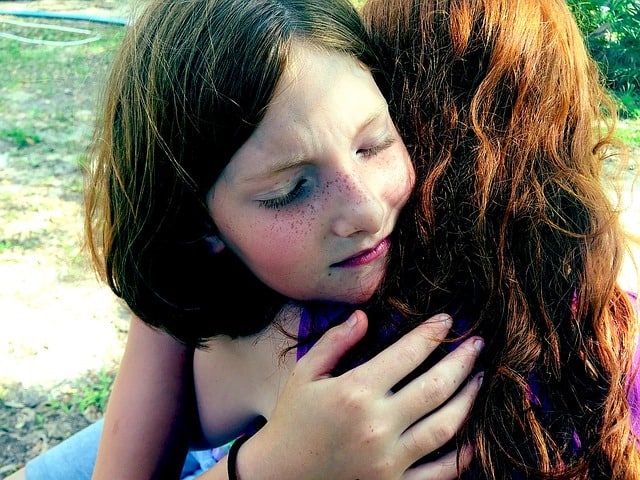
How to Support Someone Dealing with Grief
If you have a close friend or loved one who recently lost someone close to them, their grief is probably overwhelming.
It can be hard to know what to do or say to help them feel better, or at least let them know they are loved. Here are some different ways to support someone who is dealing with grief.
What to Say to Someone Who is Grieving
One of the hardest things to do when you have someone close to you who is grieving is to know what to say or not to say.
You don’t want to be insensitive and say nothing, but you also don’t want to say the wrong thing that upsets them more.
First understand that there aren’t really a list of what to say or not to say, since everyone is different.
Some people prefer you crack a joke to make them laugh, while others want to hear a memory of that person who was lost.
If you are not sure how to approach it, simply saying you are sorry for their loss and offering your help with anything they might need is enough.
They often just want to know you care, are thinking about them, and will be there by their side while they grieve.
Respect Their Method of Grieving
Since everyone has their own method of grieving, respecting their process is another good way to support a loved one who has lost someone close to them.
Just because you personally grieve in one way, does not mean everyone needs to.
Never judge them for how they feel about their loss, or for not grieving in the amount of time other people did.
Respect their privacy and need for support for as long as they need it.
What You Can Do to Help
There are many ways to offer your support, starting with just being there for them.
Don’t be pushy, but don’t just tell them to tell you when they need something.
You often need to just show up or call them and give them ideas of how you can help.
Being a good listener, offering a shoulder to cry on, and making them meals or doing mundane tasks around the house is very helpful.
Someone who is grieving won’t be able to do a lot of the daily chores that need to be done, so this is a huge help.
Also don’t be afraid to just ask what they need the most from you – many people are willing to tell you.
Mindfulness for Grief
As you begin moving on from a loss in your life, it is important that you not rush grief.
It is normal to feel sad and loss for the person who has passed away, but that doesn’t mean you need to “get over it”.
Instead, try practicing mindfulness.
This is all about living in the moment, where you think and feel how you think and feel right now, but don’t worry too much about the future or dwell on the past. It can be really therapeutic for someone who is grieving.
Experiencing Feelings of Grief and Loss
Mindfulness is not the same as not thinking about certain things, like meditation, though you can definitely meditate while practicing mindfulness.
It is more about living in the moment, instead of in the past or present.
It is okay to experience your current feelings of grief and loss, but then you will need to get to the point of accepting them.
Accepting what happened, accepting how your life has changed, and accepting that you might be grieving for a long time, but that you also need to find a way to move on.
Continuing to Center Yourself
As you begin practicing mindfulness for grief, you will also try to center yourself and your thoughts.
This is something you can do multiple times a day, where you are getting to that point of acceptance by allowing the thoughts and feelings to come in and envelop you, but then you will center your thoughts and shift your focus.
This is a really important step, because it is what allows you to move on and shift your mindset to what your life is like now.
Meditation with Mindfulness
As we mentioned, you can combine meditation with mindfulness.
What you do is use mindfulness to get to a certain frame of mind where you are feeling those feelings of grief and loss, but then moving forward and learning how to cope with them.
You can then practice meditation, which allows you to clear your mind and bring in more positive thoughts and feelings into your subconscious.
Even those few minutes of having a clear head can be very therapeutic and give you a break on your sadness and grief.
The Importance of Moving Forward
Moving forward does not look the same way for everyone.
Sometimes it is about changing your lifestyle after the loss of a child or sibling, making future plans if you lost a spouse, or even getting into a new relationship.
For others, moving forward simply means you are in a different stage of grief.
You are no longer depressed, but simply choosing to be appreciate the people you have in your life.
Activities That Help with Your Grief
Coping with grief is not something that comes naturally, and often won’t happen immediately.
However, before too long, you will reach out to others, accept people’s help, and look for different types of activities that can help.
While this is not a complete list, it can help you figure out what to do next when it is time to start the healing process.
Quiet Activities to Induce Relaxation
Just because you are participating in activities to help with your grief, doesn’t mean you have to get out and be involved in things you have no interest in.
During the grieving process, it is good to practice self-care with some quiet activities that you enjoy.
For you, this might mean reading a book, watching your favorite movies, writing in a journal, or using an adult coloring book.
Maybe you are artistic and want to draw or paint, or you have a hobby or collect things.
Don’t put too much pressure on yourself about the right thing to do, and just get out of bed to do something that will distract your mind and thoughts.
The Healing Power of Exercise
When you are ready to get your body moving, this can be a great next step.
Exercise provides so many benefits for you, in addition to weight loss and general health.
It will also help with your mental and emotional health and wellbeing, helping to release endorphins that boost your mood, giving you more energy, and providing more opportunities to reduce anxiety and stress related to your grief.
If you are struggling with depression from a major loss in your loss, exercise can help with that too.
Why Nature Can Help You Grieve
Why not enjoy nature? You will be able to really take in what the beautiful, natural world has to offer, while also getting some outdoor exercise.
This can be with a hike or a short walk, taking your kids to the park, or going for an evening stroll just to get outside and enjoy the fresh air.
Nature and being outdoors will boost your energy and improve your mood as well, especially when you go out during sunlight to get some of those vitamin D rays from the sun.
Activities with Others
Lastly, don’t forget about activities you can participate in with others.
This might be with friends, family members, or even neighbors or co-workers.
While at work, take your lunch break with friends at work so you aren’t sitting alone in your feelings, and get your family involved in various activities around town.
Grieving is much easier to handle when you’re not doing it completely alone.

What is Anticipatory Grief?
Grief is often considered to be something you feel after a loss or other traumatic experience in your life, but sometimes you can feel grief before it even happens.
This might be due to someone close to you with a fatal illness or who had a severe, life-threatening accident, and you are just waiting for them to pass.
This can be just as heartbreaking as the loss itself, and is known as anticipatory grief.
Differences in Anticipatory Grief
As you might have guessed, anticipatory grief is the type of grief you experience before the loss has occurred.
It is most often seen when someone is struggling with a fatal illness or their death is inevitable.
You can feel this grief even before they are gone, often tied with more than just feelings of loss.
You also feel strong feelings of guilt, loss of a companion, depression over how your life is going to change, and the financial implications in some cases.
There are a lot of complex emotions that happen when you are on the brink of losing someone you love.
With anticipatory grief, since the loss has not occurred yet, you might feel more feelings of anger, resentment, bitterness, and confusion than the sadness and depression you feel after someone has passed.
You are often more in need of someone to center you and help you relax and get control of your emotions when you are caught in this frustrating place.
Signs You Are Experiencing This Type of Grief
If you have someone close to you struggling with a fatal illness or is in a coma or a similar situation, then you will often feel a wide range of emotions nearly every minute of the day.
You feel sad, angry, confused, and frustrated all seemingly within seconds of each other.
In many people, they don’t notice it because they are so angry at God, at life, at whoever put them into this position, that you don’t realize it is grief you are experiencing.
What to Do About it
Let others help you when you are experiencing anticipatory grief.
It is more common that you don’t realize you are going through the grieving process right now, so you need others to recognize the signs and help support you during this very difficult time.
Try to hold onto the memories of the person who you are grieving for, get support, and even seek therapy if you feel that it will help you.

How to Cope with Grief Over the Holidays
During the holiday season, any grief you might be experiencing could be heightened.
This is often the time of year when families get together, so it can be really difficult when you aren’t able to have quality time with a loved one who passed – whether it was recent or not.
If you are struggling to cope with your grief during the holidays, these tips can help.
Understand and Accept That Holidays Will Be Different
The first thing you will need to do when you are grieving over the holidays is have acceptance.
There is a reason this is one of the stages of grief that people are always talking about.
You need to accept not just what has happened and the feelings you are experiencing, but that things will be different.
This includes your holiday celebrations.
Maybe the person you lost was usually the host of a party, someone you always sat with and talked to, or just a close friend or relative that is going to be severely missed any time everyone gets together.
Understand that the holiday is going to be and feel different, and that it’s okay to be sad about it.
Consider Spending Your Holidays with Other People
It is also okay to change your original holiday plans.
You have every right to say no to anyone you want, regardless of what they might think about it.
Grieving does not have any rules, and is not something everyone has to do in any certain way.
If you feel like spending holidays with certain people is going ot be too painful for you, politely turn down the invitation and do something else.
Whether you prefer to be alone or with people who won’t remind you of the person you lost, this is your choice.
Set Boundaries and Be Open with Your Loves Ones
This is especially important if the person you lose was very close to you, such as a parent, child, sibling, spouse, or best friend.
In these cases, it is even more important that you are very open with people about what you can and can’t handle.
If someone is hosting a normal holiday celebration, and you would rather people don’t ask you about the person you lose, or you don’t want a certain tradition that is too hard to handle, let them know.
Be honest about what you are going through and what will help you to get through the holiday event while you are grieving.