
How To Cope With Our Anxious Stressful Lives.
Tips For Living With Anxiety
If you are someone that has just been dealing with your anxiety, you may be looking for tips on managing it a little better.
You shouldn’t ignore the feelings of panic and terror in certain situations, as there are a wide range of things that can help.
Here are some tips to help you get started on living a normal life with anxiety.
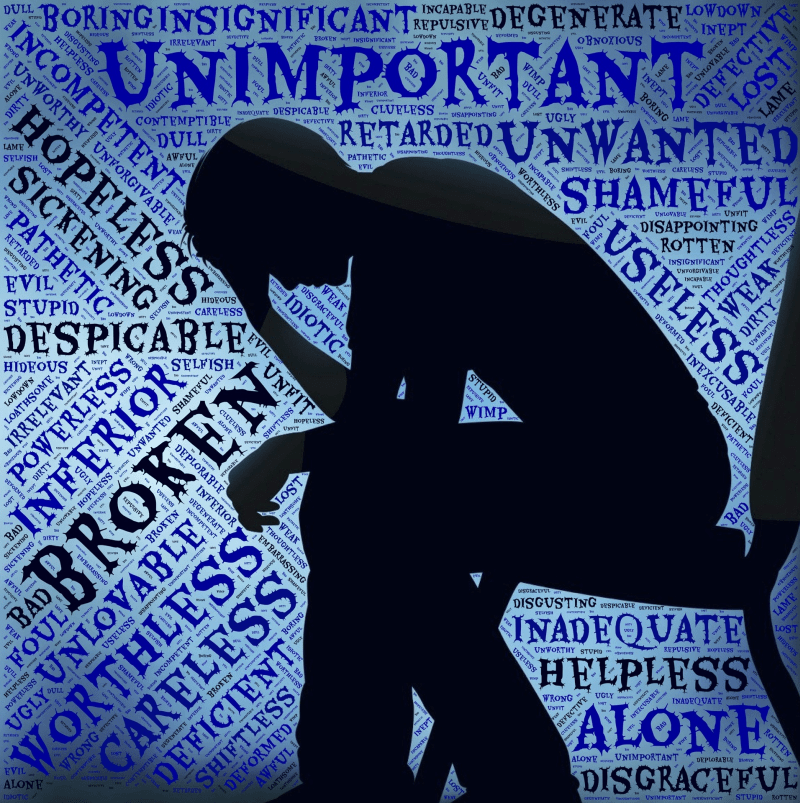
Find Healthy Distractions
The trick here is to find things or situations that will distract you from your anxiety and worry, but won’t make matters worse.
Too many people find unhealthy ways to cope, such as temporarily putting a halt to panic and anxiety with alcohol, but then wake up the next day feeling even worse than before they started drinking.
Look for healthier ways to distract yourself, such as picking up a new hobby, using adult coloring books, or writing in a journal.
These can put your mind into a different place and hopefully stop a panic attack before it gets too bad.
Learn How to Stop Panic Attacks
What you should know about putting a stop to a panic attack is that a method that works for someone else might not work for you.
It takes a little trial and error until you figure out the methods that are going to help you as an individual.
The following include some different things you can try:
- Count backwards from 100
- Say “NO!” out loud as many times as needed
- Listen to music
- Watch a movie or television show
- Call someone on the phone who can calm you down
Start Living a Healthier Lifestyle
The healthier you are on a physical level, the better you will be on a mental level.
Not only are you going to cut back on stimulants like alcohol and caffeine, but you should also look for other ways to improve your health.
Things like eating better and focusing on proper nutrition, not smoking cigarettes, and getting regular exercise will help tremendously with managing your anxiety on a daily basis.

Know When to Seek Help
Anxiety is not a normal way of life and not something you should just deal with.
If it is keeping you from social situations, affecting work or school, or impacting your personal relationships, it is time to get professional help.
Talk to your family doctor, a therapist, counselor, or anyone else that has experience with anxiety and panic attacks.
When You Should Talk to a Doctor
It is important to know that while anxiety is very common, it is not something you just have to deal with.
Aside from looking for natural remedies for anxiety and panic, you should also see your doctor to look at other treatment options.
Here are some things to know about seeing a doctor and how to know when it is time.
You Have Signs of an Anxiety Disorder
If you exhibit any obvious signs of having an anxiety disorder, it is a good time to talk to your doctor.
You may not need therapy, but it is a good reason to visit your family doctor and figure out what could be causing these symptoms.
For example, there are physical signs of having anxiety or frequent panic attacks, such as tunnel vision, a rapid heart rate, aching joints from being overly tense, and even frequent headaches.
Some other signs to look out for include:
- Trouble concentrating
- Constantly feeling a sense of dread
- Avoiding certain places or situations
- Being irritable a good amount of the time
- Feeling like your mind has gone blank
Panic Attacks Come Out of Nowhere
It is not uncommon for people to occasionally experience a panic attack, especially when in a very stressful situation.
This doesn’t always mean they have an anxiety disorder.
However, if you are getting frequent panic attacks and they don’t seem to be triggered by anything, then it is a good time to see a doctor.
You may have panic disorder or another anxiety disorder causing the frequency in panic attacks.
Your doctor can look at your other symptoms and help you figure out a good treatment plan.

Your Daily Life is Affected
When your anxiety gets to the point where things in your daily life are affected, you know it is time to see a doctor.
This means it is no longer something you can manage on your own without outside help.
This might include calling in to work often and risking your job because you are afraid to leave the house, having a social phobia that keeps you from spending time with friends and family, or not being able to drive anymore because you have panic attacks behind the wheel.
These situations show that you are kept from daily tasks because of the anxiety, which is when it is time to seek professional help.